

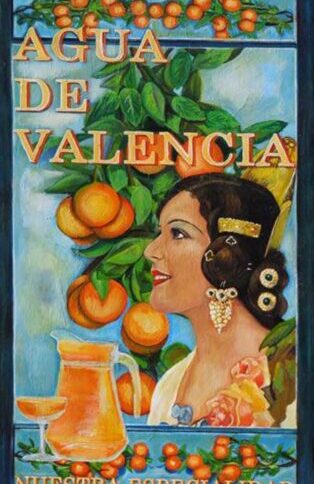
Walk into any terrace plaza in El Carmen on a summer evening, and you’ll notice a distinct lack of Sangria. Despite what travel brochures promise, locals in Valencia rarely touch the stuff. Instead, the tables are crowded with heavy glass jarras sweating under the humidity, filled with a glowing orange mixture.This is Agua de Valencia. And despite the innocent, hydration-focused name, it is a deceptively heavy blend of fresh oranges, cava, gin, and vodka.It is also one of the most bastardized drinks in Spain. If you buy it from a neon-signed tourist trap on a main thoroughfare, you will likely get a hangover-inducing sugar bomb made from carton juice, cheap triple sec, and bottom-shelf spirits. But when done right, respecting the strict proportions established in a smoke-filled café in 1959, it is arguably the best summer cocktail in the country.
The Basque Bet: How It Started
To understand the drink, you have to understand the regional rivalries of mid-century Spain. In 1959, Cervecería Madrid which is now the upscale Café Madrid near the Palacio del Marqués de Dos Aguas was the late-night hangout for the city’s artists, writers, and a regular contingent of wealthy travelling entourages from Bilbao. The Basque patrons had a running joke. They would walk into the bar and mockingly order “Agua de Bilbao,” which was their insider slang for the finest sparkling wines of their own northern region. The joke was clear: Valencia might have nice weather, but it lacked a sophisticated drink to match Basque tastes.
Constante Gil, the bartender, after much teasing decided to call their bluff. One evening, he told them he was going to serve them “Agua de Valencia.” He went behind the bar, grabbed a pitcher, and improvised. He squeezed local sweet oranges, poured in a bottle of chilled Cava, and then crucially changed the structure with equal parts gin and vodka so it wouldn’t taste like breakfast juice. He added a spoonful of sugar, stirred it with ice, and handed it over. The Basques loved it. It became an underground house secret for over a decade, known only to Gil’s bohemian inner circle. It wasn’t until the 1970s, during the massive explosion of nightlife that followed Spain’s transition to democracy, that the recipe leaked to the rest of the city and became a cultural staple.
The Anatomy of a Purist Recipe
The reason Agua de Valencia is so easy to ruin is that it relies entirely on fresh, seasonal ingredients. There are no heavy syrups or complex liqueurs to hide behind. The official recipe is a strict three-way split, starting with 33% of fresh orange juice is non-negotiable. If a bar uses pasteurized juice from a carton, walk out. The texture needs the natural pulp and vibrant acidity of locally harvested Valencian oranges. Next, 33% of a decent Semi-Seco (semi-dry) or Brut Cava works best. The bubbles give the drink its lift, cutting through the density of the fruit providing a refreshing experience. Finally the main course of this drink with 33% spirits, split exactly down the middle between dry gin and clean vodka. The vodka adds proof without messing with the flavour, while the botanicals in the gin cut through the sugar.
The Ground Rules
True Agua de Valencia is never, under any circumstances, shaken. Shaking kills the effervescence of the Cava and bruises the citrus oils. Instead, the process is a slow ritual. You dissolve the sugar into the fresh orange juice first so you don’t end up with grainy sugar at the bottom of the pitcher. You add the gin and vodka, slide in large blocks of ice, and then slowly pour the chilled Cava down the side of the glass. A gentle stir from bottom to top with a long spoon is all it takes.
The secret: Let the pitcher sit in the fridge for ten minutes before pouring it. It sounds minor, but that brief chill window lets the sharp alcohol burn of the gin and vodka blend into the cold orange oils. It makes the drink incredibly smooth and incredibly dangerous, because you won’t taste the alcohol until you try to stand up from the table.
Where to Drink the Jarra
If you want to experience the drink without the commercial shortcuts, skip the beachside tourist traps and stick to the spots that treat the recipe like local law:
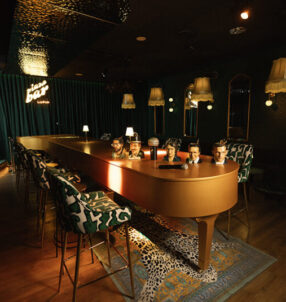
Café Madrid (C/ de l’Abadia de Sant Martí, 10): The birthplace. It has been modernized into a sleek, dimly lit cocktail lounge, but they still execute Constante Gil’s original 1959 proportions flawlessly. Come here if you want a refined, historical experience.
Café de las Horas (Comte d’Almodóvar, 1): The exact opposite of minimal. This place looks like a living neo-baroque opera house with dramatic velvet drapes, hundreds of flickering candles, and massive floral arrangements. They serve their pitchers with an old-school theatricality that matches the bohemian roots of the drink.
Café Sant Jaume (Cavallers, 51): Located in a converted 19th-century pharmacy in El Carmen. This is where you go for the terrace culture. It’s loud, traditional, and the perfect spot to split a jarra with friends while people-watching late into the night.
A Side of Local Superstition
If you want to drink it like a true bohemian, pay attention to the glassware. While modern bars might try to serve it in standard highball glasses, purists demand wide-rimmed champagne coupes or tulip glasses. According to old-school Valencian bar lore, drinking Agua de Valencia out of a narrow glass is bad luck for your love life. The wide coupe isn’t just for aesthetics; it mimics the original glasses Constante Gil used in 1959, allowing the intense citrus aromas to hit your nose before the alcohol hits your palate. There is also a famous urban legend from the 1970s Movida era where old bars supposedly never threw away leftover pitchers at closing time. They would keep the “mother juice” in the fridge to start the next day’s batch, claiming the fermented punch gave it an extra kick.
The Bottom Line
Agua de Valencia mirrors the city of Valencia itself: it’s unpretentious, deeply tied to the local history, and built entirely around the Mediterranean habit of lingering at a table for hours. Just make sure the bar has a juicer on the counter before you order a pitcher. Enjoy the beautiful city and bottoms up!
Report by Faith Callaway
Article copyright ‘24/7 Valencia’












Leave a comment