


Málaga is the kind of city where you can wake up with no plans and somehow end the day having gone to the beach, explored colourful streets, climbed a castle, eaten fresh seafood, and watched the sun disappear over the Mediterranean. During the summer, the city feels like one giant outdoor living room. People fill the pavements with iced coffees, restaurants spill onto the streets, and the warm weather makes it almost impossible to stay inside. What makes Málaga so unique is how quickly the city changes. A short walk can take you from the beach to a busy city street, from a quiet neighbourhood to a modern waterfront, or from a casual lunch to an evening spent wandering without a plan.
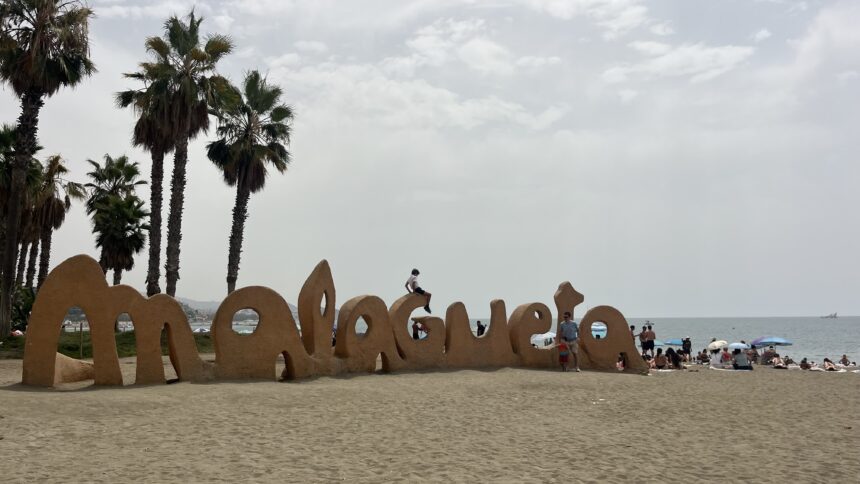
A summer in Málaga naturally begins at the beach. La Malagueta is the city’s most famous beach and sits just minutes from the centre, making it easy to spend the morning swimming in the Mediterranean before heading into the city for lunch. Its long stretch of golden sand is lined with palm trees and a busy promenade, while the water is filled with people swimming, floating, and cooling off from the summer heat. From the beach, you can also see the city beginning to stretch toward the modern port, where the coastline shifts from sand and palm trees to boats, restaurants, shops, and open waterfront views. Walking along the promenade toward Muelle Uno, Málaga’s lively port area market, feels like moving from a traditional beach day into a completely different side of the city. The waterfront is lined with stores, restaurants, small market booths, and local vendors selling everything from handmade crafts to clothing and souvenirs. With boats sitting in the harbor and the Mediterranean stretching out beside you, Muelle Uno is the perfect place to spend an afternoon browsing shops, grabbing something to eat, or simply walking along the water. The area becomes especially beautiful in the evening, when the sun begins to set and the lights from the restaurants and harbour reflect across the water.
After the beach, Málaga’s city centre offers a completely different atmosphere. Narrow streets lined with colourful buildings lead to lively plazas, local boutiques, tapas bars, and cafés. Calle Santa María is filled with small shops and boutiques, while Calle Molina Lario runs alongside the Málaga Cathedral and is lined with restaurants and outdoor cafés. Nearby, Calle Granada brings a livelier atmosphere with its tapas bars and charming storefronts. The cathedral, known as “La Manquita” or “the one-armed lady” rises above the surrounding streets with its enormous stone façade, creating a striking contrast with the smaller businesses around it. This area is perfect for spending an afternoon browsing clothing, jewellery, handmade goods, and artwork before stopping for a drink or a meal. Just a short walk away, the Mercado Central de Atarazanas adds another layer to the experience, with colourful stalls filled with fresh seafood, fruit, vegetables, and other local products. Together, these streets, shops, cafés, and markets capture the lively, local energy of Málaga’s city centre.
For a different perspective of the city, the Alcazaba and Castillo de Gibralfaro rise above the centre and offer some of the best views in Málaga. The walk through the Alcazaba leads through stone walls, gardens, courtyards, and tiled pathways, while the climb toward Gibralfaro opens up panoramic views of the Mediterranean, the Malaga Park, the port, the city rooftops, and the mountains beyond.
Back at street level, Málaga’s creative side comes alive in the Soho neighborhood. Large murals cover the sides of buildings, colorful street art fills the neighborhood, and independent cafés and galleries give the area a modern, artistic personality.
As the sun goes down, Málaga’s energy shifts toward long dinners and late-night plans. Whether you are enjoying tapas in the city centre, fresh seafood by the beach, or a meal overlooking the port, there is rarely any reason to rush. Restaurants such as Perro Viejo, La Terraza Molina Lario, and Bodega El Pimpi are great places to add to your list while exploring the city’s food scene. Afterward, the night can continue in almost any direction. You might walk toward the water, stop for ice cream, listen to live music, or wander through the city as the temperature finally begins to cool. Even late at night, Málaga remains full of life, with people gathering in plazas, sitting outside cafés, and filling the sidewalks long after the sun has disappeared.
That is what makes Málaga such a memorable summer destination. It is not just a beach city, a historic city, or a modern city. It is all of those things at once, with each experience close enough to walk to. You can start the morning swimming in the Mediterranean, wander through the streets of the city centre, stop for tapas, climb to Gibralfaro for a view over the coastline, explore the murals of Soho, and end the evening walking beside the lights of Muelle Uno. Málaga is a city made for spontaneous plans, long meals, warm nights, and getting a little lost. By the end of a summer there, the city becomes a collection of memories: salty hair after a day at the beach, the smell of grilled sardines drifting through the air, colorful streets glowing in the afternoon sun, palm trees lined throughout the city, crowded outdoor tables, and the Mediterranean always somewhere nearby.
Report by Lilly Salvador
Article copyright 24/7 Valencia
Photos copyright Lily Salvador/ 24/7 Valencia















Leave a comment