



The train from Valencia to Alicante feels almost too easy for what you get at the other end. In just a little over two hours, the wide, breezy coastal energy of Valencia gradually shifts into something smaller, warmer, and easygoing. By the time you arrive in Alicante, everything already feels close together: the castle rising above the city, the old town tucked into its streets, the beach right at the edge of the centre, and the nightlife only a short walk away. It all sits within easy reach, which is what makes Alicante so fun and unique. Nothing ever feels far away, and there is no real need for a plan because you can simply move from one spot to the next and let the city guide you as you go.
Stepping out of the station, the city opens up right away, with no need for a long transfer or bus ride, before you already feel like you are in the heart. Within minutes, you are walking toward the waterfront, and the air begins to change, becoming saltier and brighter as the pace of the city slows. The palm-lined Explanada de España appears almost immediately, as its wave-patterned tiles guide you naturally toward the sea. Street performers, cafés, and people moving between ice cream stops and benches create a relaxed rhythm, and before long you are already at the beach.
Playa del Postiguet sits right beside the city centre, with sand stretching out just a few steps from the streets. The water is a clear, deep blue and cool enough to feel refreshing without being harsh, especially once you ease into it. There is a calmness to the beach that makes it easy to slow down completely, whether you are swimming or just lying back in the sun. People stay for hours without really noticing time pass, often drifting into sleep in the middle of the day as the sound of the water settles everything around them.
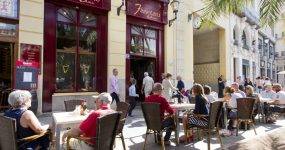
Leaving the beach, the atmosphere shifts into something more playful. A short walk inland brings you to Calle de las Setas, a street lined with mushroom-shaped sculptures and playful installations. It is a quirky stretch of the city filled with ice-cream shops, restaurants, and small stores along the way. One of my favorite tapas spots in this area is D’Tablas, a restaurant that works differently from most. There is no menu. Instead, platters of tapas are brought out continuously, and you simply take what you want, trying different dishes as they arrive. It turns dinner into something loose and social, where the experience is guided by curiosity rather than choice. You stay longer than planned without really noticing, because there is always something new arriving at the table.
Eventually, you find yourself stepping back out into the streets, and as you look up, the presence of Castillo de Santa Bárbara is impossible to ignore. The castle, which was carved into the rock of Mount Benacantil, dominates the skyline. You can take a 45-minute hike for a bit more effort and a panoramic payoff, or use the elevator built into the rock. Either way, there are small cafés and shaded stops where you can pause, along with museum-style displays that give context to the castle’s history, making the ascent feel more like a gradual experience than a straight climb. Once you reach the top, the city spreads out in every direction. On one side, the marina and open Mediterranean, and on the other, the tight grid of streets that make up the old town and modern centre. From this height, Alicante’s structure becomes clear: compact, layered, and set against the sea. You can trace your entire day in one glance, from where you arrived to where you wandered and where you will likely end up later for dinner or a drink.
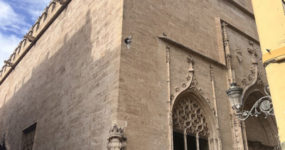
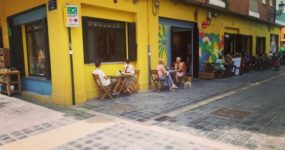
Back down in the streets of El Barrio, the old town neighbourhood right below the castle, the pace shifts again. Narrow lanes wind between whitewashed buildings, balconies spill over with plants, and small bars and restaurants open directly onto the street. It is less about landmarks and more about atmosphere, where the character of the area comes from the architecture and the way light moves through it.
What stands out most about Alicante is how naturally everything connects. The city never feels like separate parts stitched together, but like one continuous movement from the coast into the streets and up toward the skyline. You start by the water, drift through the waterfront into the centre, wander through old streets and viewpoints, and eventually end up eating somewhere local as the day softens into evening. By the time you leave, what stays with you is how effortless it all feels. Not one moment in particular, but how easy it is to move through the city without ever really thinking about where you are going next. Nothing feels forced or complicated, and everything just flows naturally. Alicante does not rely on scale or complexity. It just works in a simple and easy way, making it an ideal weekend escape from Valencia.
Report by Lilly Salvador
Article copyright ‘24/7 Valencia’
‘Alicante’ photo copyright Victoria Nezh
Additonal ‘Alicante photos in Facebook report copyright Lilly Salvador/ 24/7 Valencia: https://www.facebook.com/247valencia#













Leave a comment